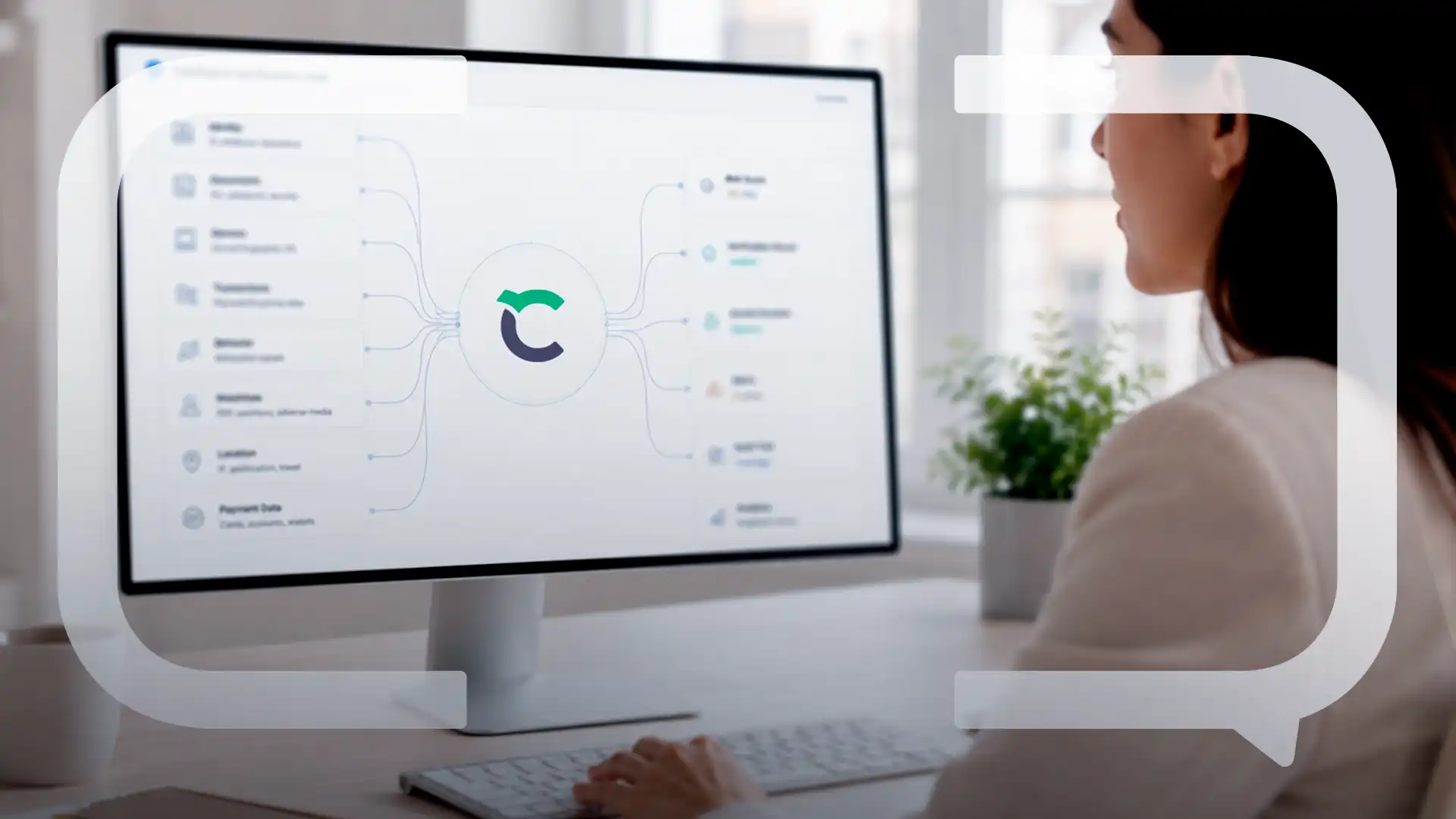


Asaas, a financial and operational platform focused on small and medium-sized businesses, has cut the time it takes to validate new customers on its platform from two business days to about two minutes. The change was made possible by automated identity verification, which brought document analysis, context and risk signals together with facial biometrics in the company's anti-fraud process.
The challenge: manual onboarding and no anti-fraud partner
In 2021, Asaas was validating customer documents while taking a risk that would be unthinkable today for a company of its size: manual review, with no anti-fraud partner and no technology dedicated to identifying risk.
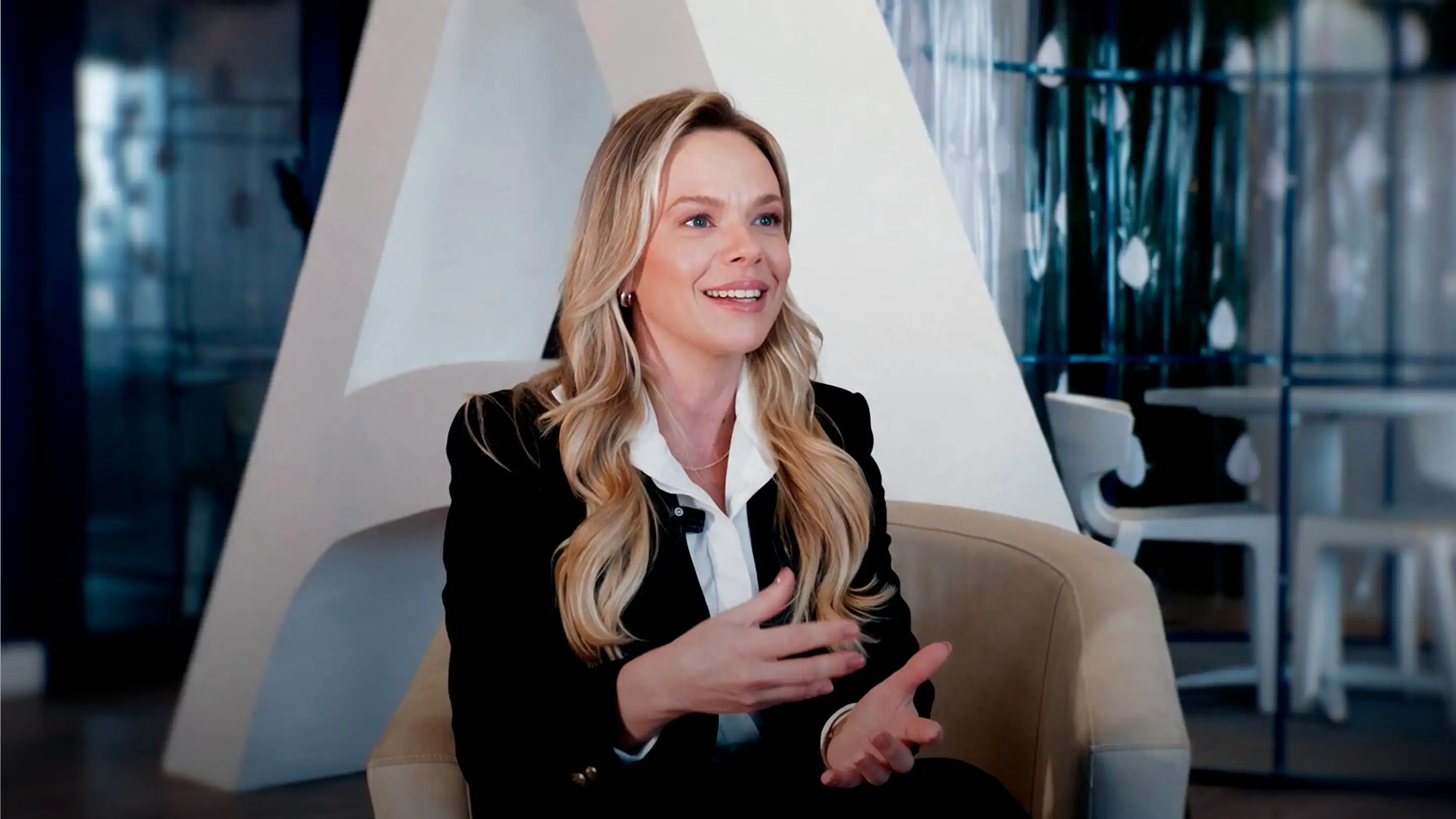
"We didn't have any anti-fraud partner. We did all the document validation ourselves; everything was manual," says Manoela Gieseler, COO of Asaas.
This manual process limited onboarding speed and increased the chance of human error at the most sensitive stage of the customer journey: their entry into the platform. It was this scenario that led Asaas to seek out an verification intelligence hub.
For small and medium-sized businesses, validation time has never been a mere operational detail, because it determines whether an entrepreneur can start receiving payments on the same day they open their account or has to wait two business days with their cash flow at a standstill. For businesses that often lack the financial cushion to absorb delays, every hour saved in onboarding translates directly into sales that aren't lost and cash flow that's preserved.
The solution: documents, biometrics and risk signals in a single decision
One of the key aspects of the partnership between Certta and Asaas was technical integration: Asaas needed a solution that could work with the fintech's in-house product from day one, rather than a closed, one-size-fits-all system.
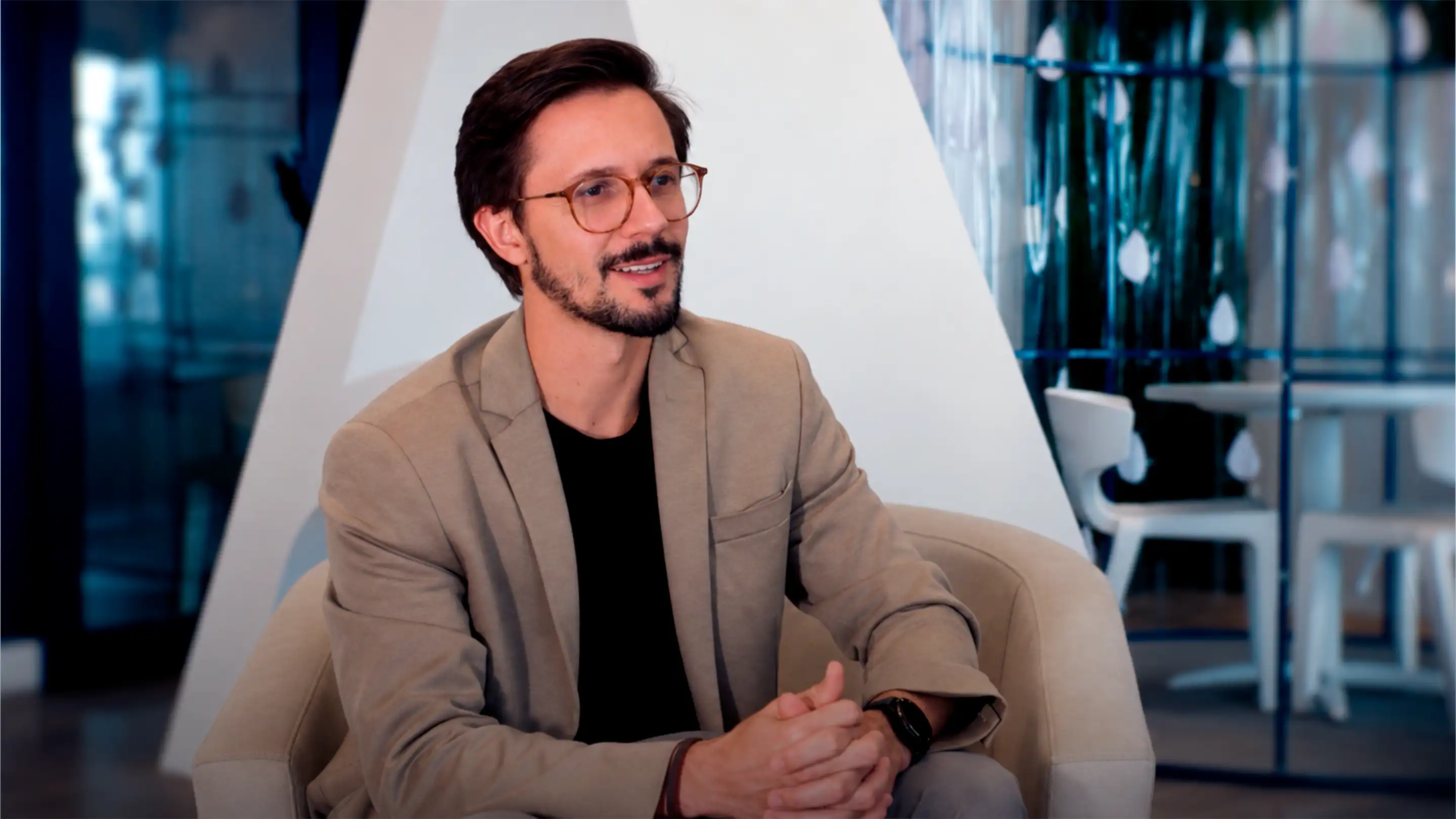
Carlos Eduardo Merlin, CRO of Certta, explains how this analysis works: the system looks at the document, the biometrics and specific risk signals, and from there makes a decision that takes into account the full context of the transaction, not just an isolated photo.
"I think it's important to show the numbers and talk about the transformation we're proposing by bringing different signals together in an intelligent hub and moving away from looking at a single piece of evidence, which makes it easier for the company to understand the transaction as a whole. It's this contextual view that makes it possible to prevent fraud more accurately, without turning security into a barrier to business growth," the executive explains.
Manoela reinforces the point with today's fraud landscape in mind: "Fraud has advanced a lot. AI makes a lot of things possible. Today, without technology, it's impossible to guarantee the security of every operation."
The results of intelligent identity verification:
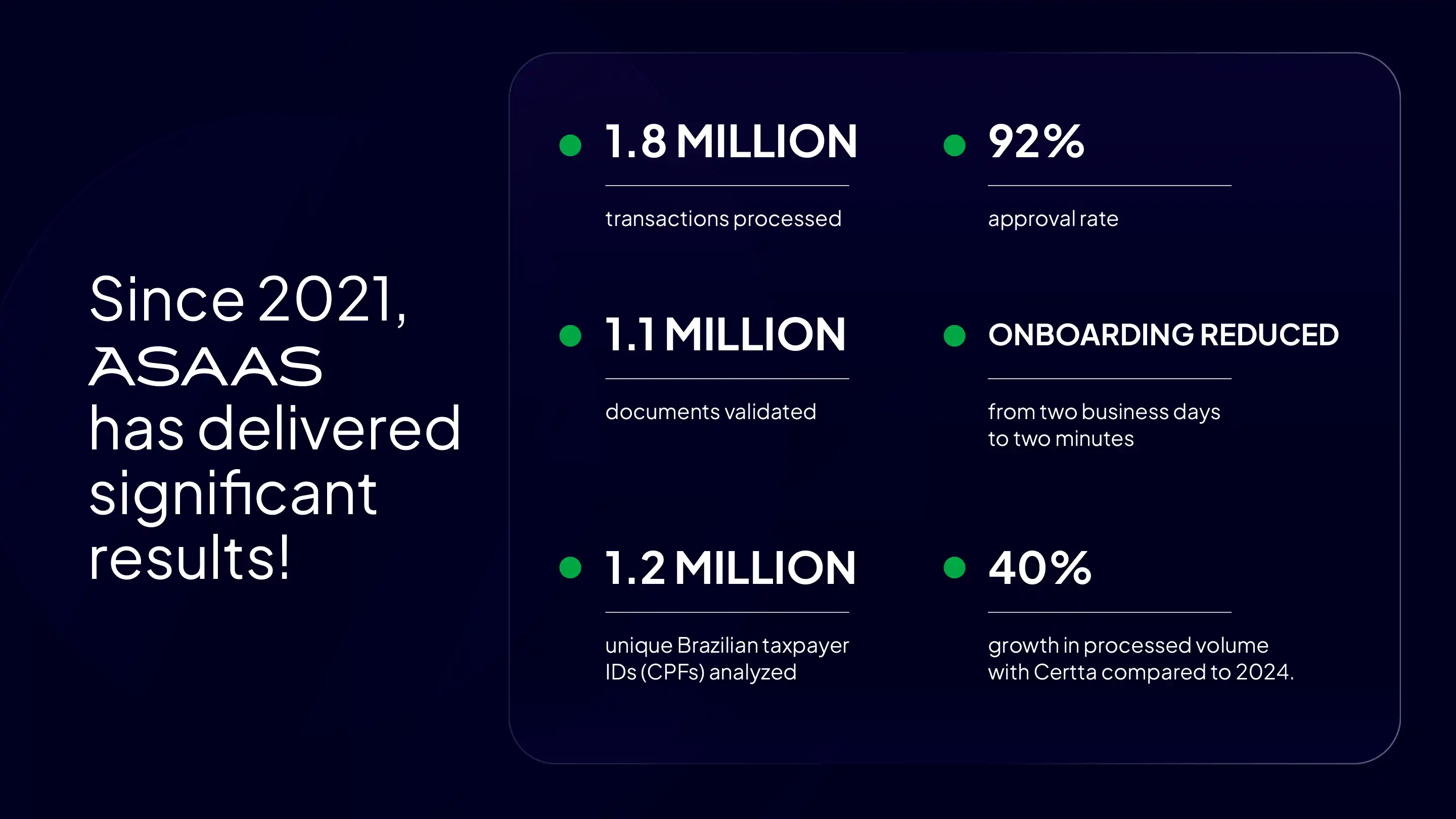
Anderson Perillo, Head of Financial Crime Prevention at Asaas, underscores how much this growth means for the fintech's operations: "The volume we process with Certta has grown 40% compared to what we had in 2024. This onboarding process is increasingly becoming an important and critical process for Asaas."
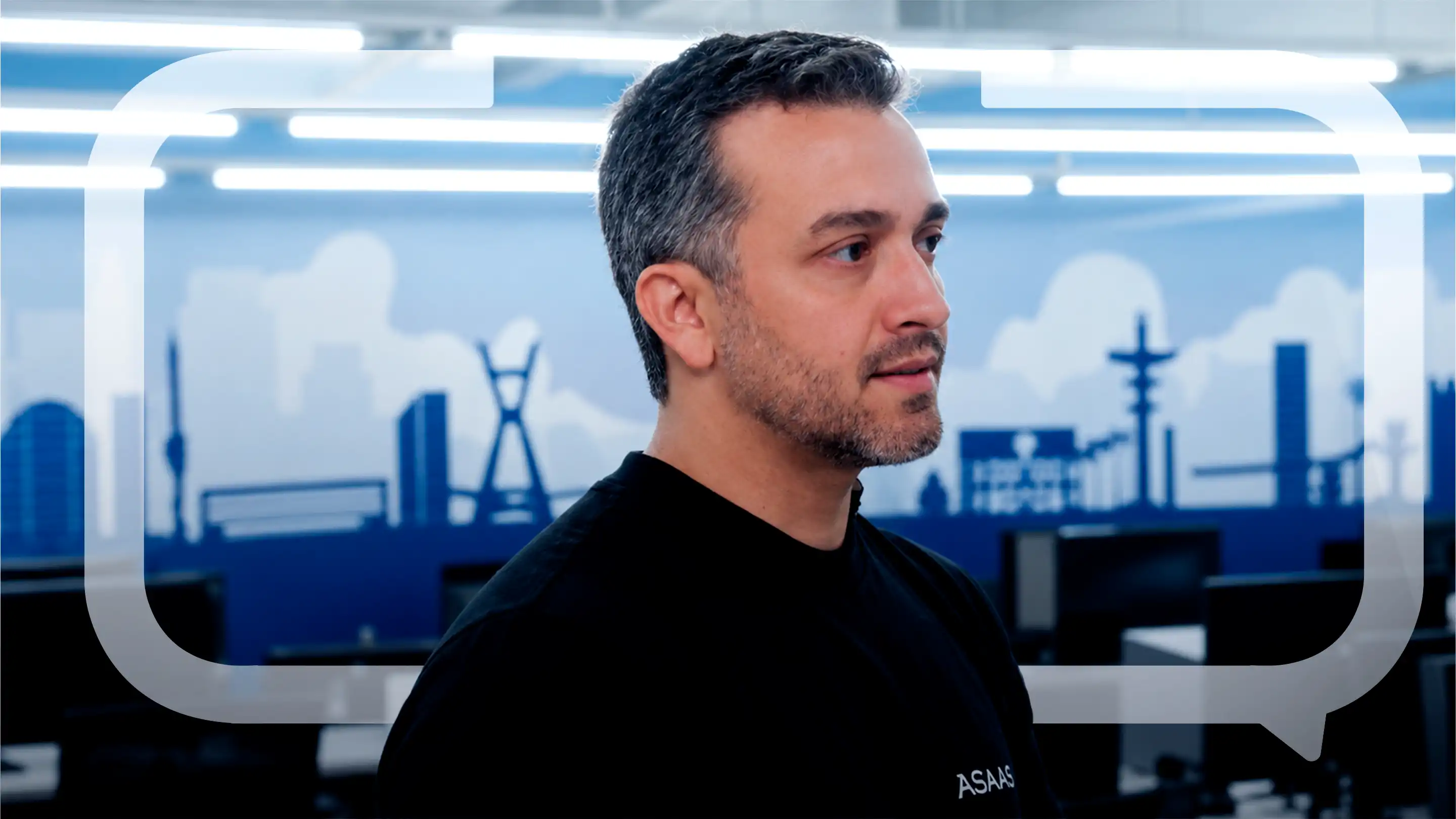
For Pamela Caye, Global Enterprise Partner at Certta, technical support is what sustains this delivery day to day. "The main goal of technical support is to deliver immediate, end-to-end solutions every day, so that in the end our client is satisfied with our solutions and doesn't run into problems with their end users."
The industry landscape: where verification stops being fragmented
The Asaas case is part of a broader picture in which financial sector companies are seeking to unify verification steps that are currently spread across multiple vendors. According to 2025 data from the World Economic Forum (WEF), 54% of large companies say that managing partner and vendor risk is one of the biggest challenges in their digital security journey.
For Merlin, in a market where fraud evolves rapidly, integrating solutions becomes key to business sustainability. Manoela agrees: "The financial market demanded a shift from manual validation to critical, integrated and scalable infrastructure. The goal was to find a solution that could work with our internal system and keep pace with the evolution of our operations, turning fraud prevention into a driver of growth and revenue."
Expanding identity verification: what's next in Asaas's flow
The solution was custom-designed by Certta for Asaas's business flow: not an adapted product, but a journey built to work with the company's internal systems from the start. This tailored design is what allows the platform to keep validating millions of SMBs with the same speed as its operations grow, and it already points to new fronts, such as the Hubby and Flow solutions, part of a broader ecosystem built to act precisely where fraud is happening.
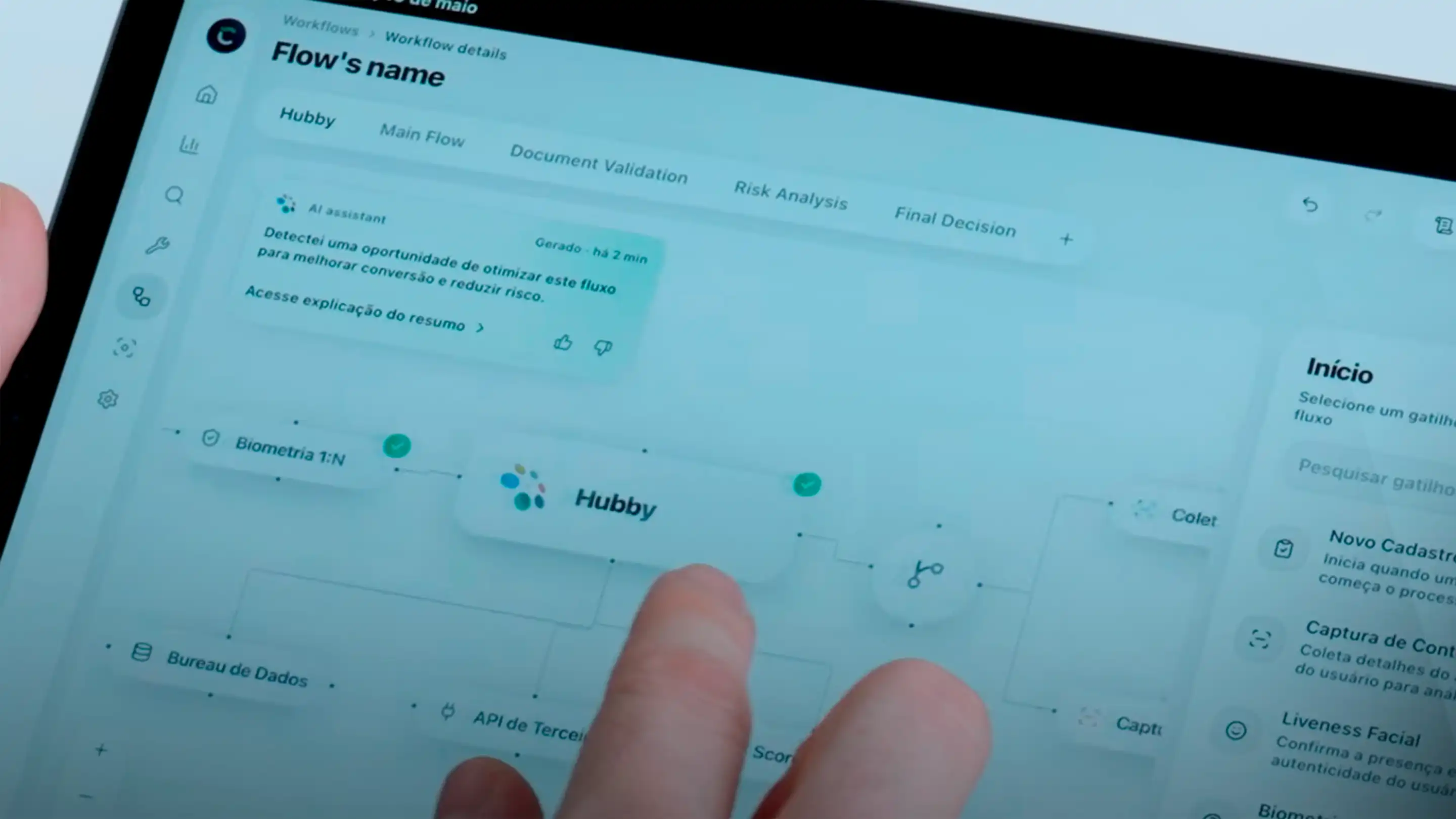
As Anderson puts it: "When it comes to fighting fraud, no single solution will solve 100% of the problems. That's why it's important to have these integrated mechanisms and solutions."
Merlin sums up what Certta has learned over the course of the partnership: to build, from the start, critical infrastructure capable of shaping fraud prevention in a scalable way. It's this ecosystem that now gives Asaas's risk team autonomy over its verification journeys, without depending on the engineering queue for every change.
Frequently asked questions
What is Asaas? Asaas is the most complete financial and operational platform for businesses in Brazil, centralizing and automating routines such as billing, payments and cash flow management, among other services that simplify business operations. The company has robust technology and API integration, and also operates as a Financial Institution. It continues to grow rapidly and, in recent years, has raised more than R$170 million (BRL) to finance SMB receivables, in addition to R$1 billion from investors such as Vivo Ventures, BOND Capital and SoftBank.
How does Certta help Asaas with identity verification in onboarding? Certta combines document analysis, facial biometrics and risk signals into a single contextual decision on each transaction, instead of evaluating each signal in isolation. This integration is what has allowed Asaas to maintain a 92% approval rate.
How long did Asaas's onboarding take before the partnership with Certta? Before the partnership, onboarding took up to two business days. With Certta's infrastructure, that time has dropped to minutes.
How many transactions has Certta processed for Asaas? Since 2021, Certta has processed 1.8 million transactions for Asaas, including 1.1 million validated documents and 1.7 million biometric validations since 2022.